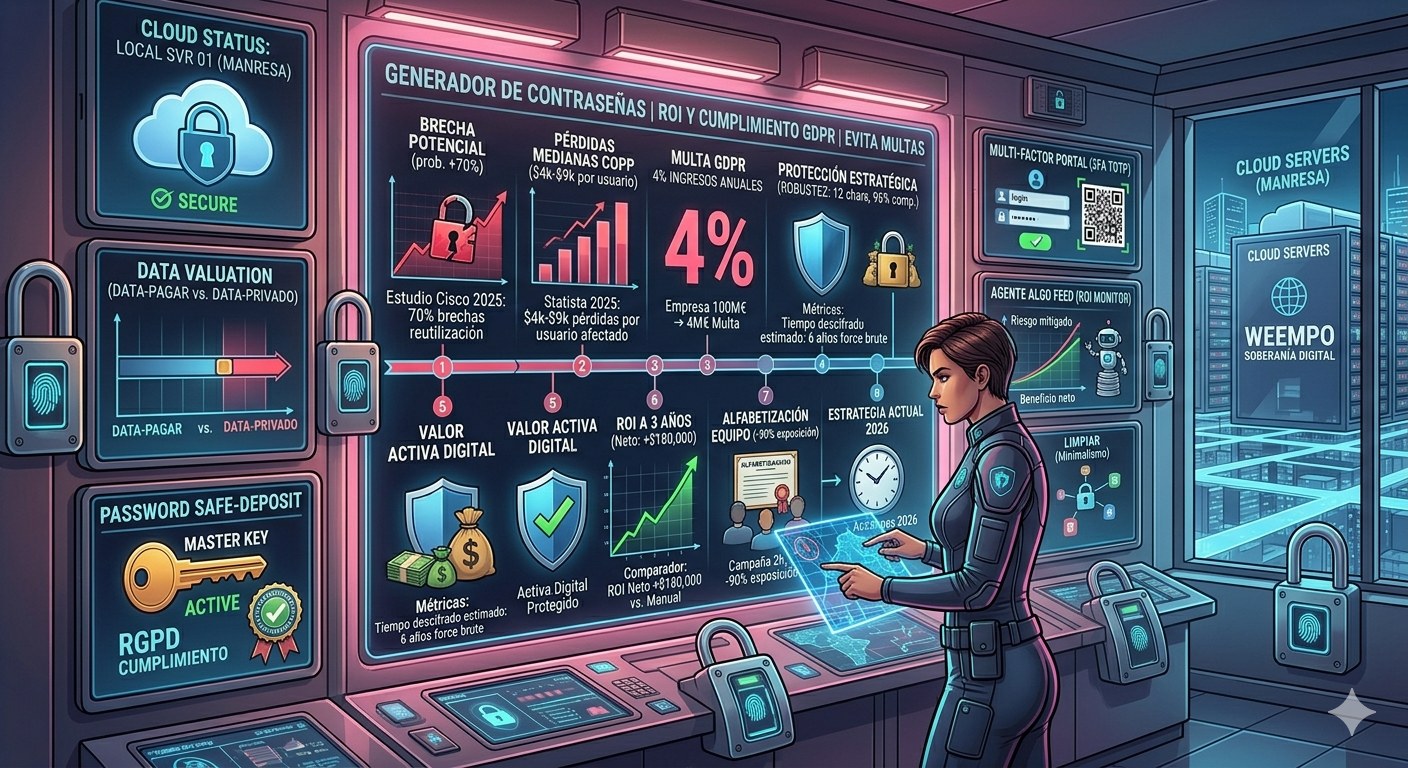
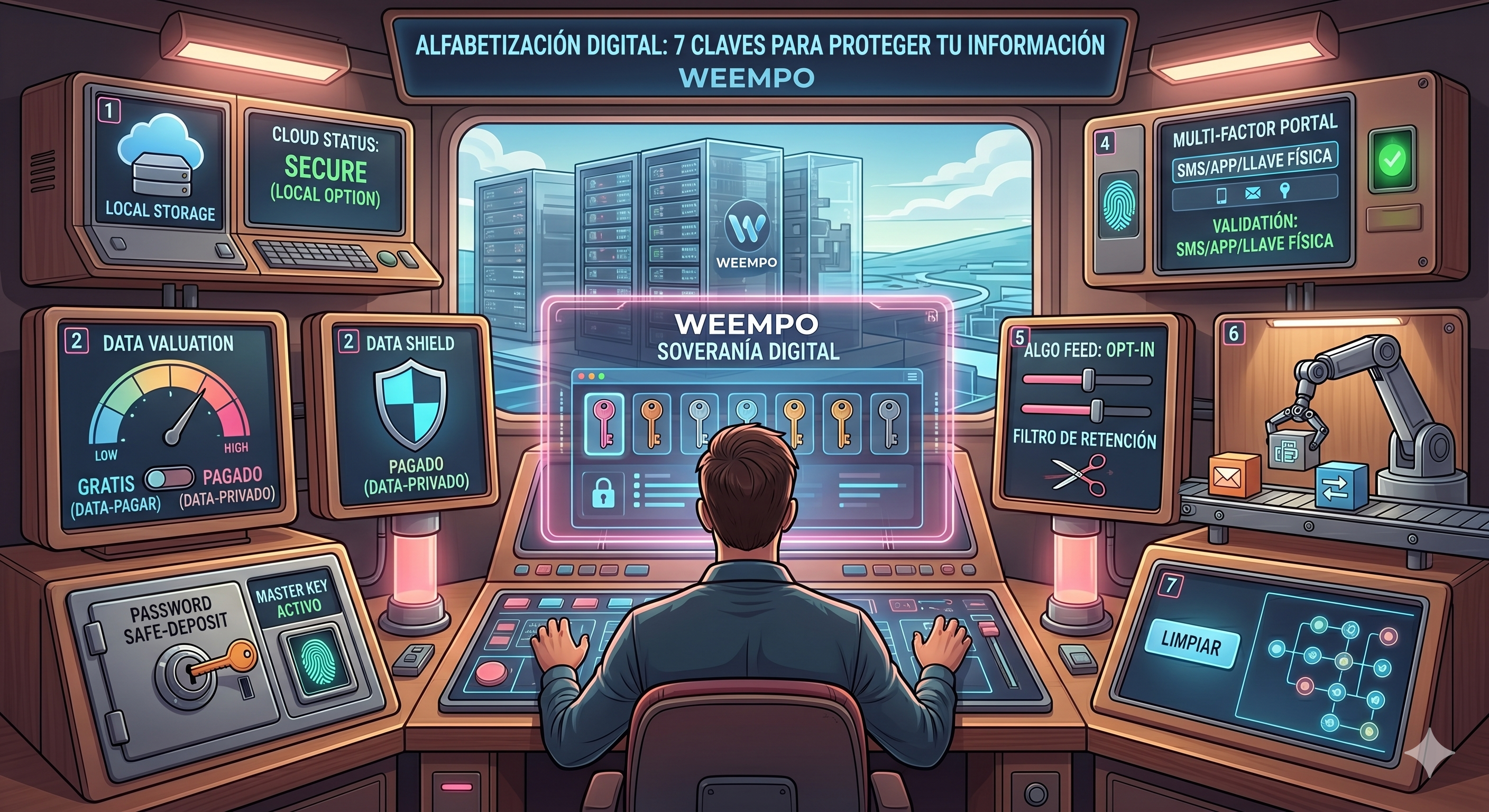
The risk of the 20€ spent by each teacher out-of-pocket is not just an extra expense; it’s a black hole that devours budget, compliance, and data. Every subscription to Canva, Kahoot or Quizizz purchased with their own pocket turns into a point of entry for educational Shadow IT, a massive legal risk that your school cannot ignore.
Licensing Educational Software: The Trap of Shadow IT
The educational licensing programs offered by Infores provide Microsoft Windows, Office 365 and Adobe Creative Cloud at reduced prices. When teachers choose individual subscriptions, the institution loses control over licensing educational software optimization. The result: duplicated costs and lack of visibility.
A school with 300 students that pays 20€ per month for each teacher in Canva is equivalent to 6,000€ annually without the IT department knowing. In 2025, the OECD estimated that the average salary of a Spanish teacher was 56,000€, so 3.5% of their income goes to unauthorized tools.
IT Cost Audit in Schools: How Much Are You Being Robbed?
The IT cost audit is the first step to measure the financial impact of Shadow IT. Calculate:
- Total cost of official licenses vs. cost of individual subscriptions.
- ROI of investment in educational licenses (educational benefit / expense).
- Cost of compliance (risk of sanctions, audit time).
If we perform an impact analysis, a data breach through an unauthorized tool can result in fines exceeding 20,000€, depending on the volume of affected records. If we compare this amount to the school’s innovation budget, we see that a single digital governance error can consume up to 25% of the annual investment capacity in technology.
Student Data Privacy: A Legal Risk You Cannot Ignore
Student data is subject to increasingly strict international compliance frameworks (such as GDPR, FERPA or equivalent data sovereignty regulations). When a teacher installs an external app, data can leave the institutional network without traceability.
A single document with grades shared on a personal cloud can trigger massive sanctions. In recent audits, fines for lack of traceability have exceeded 15,000€. The financial damage is severe, but the blow to reputation is fatal. Family trust is the only asset that does not recover when the system fails.
Unified EdTech Ecosystem: The Solution to Tool Governance
To avoid Shadow IT, create a unified EdTech ecosystem:
- Centralize license purchases through the IT department and academic leadership.
- Implement an approved applications portal with controlled access.
- Automate workflows using provisioning and auditing scripts.
- Educate teachers on risks and benefits of official tools.
- Monitor and review monthly usage and billing.
With this strategy, the school regains control, reduces costs, and ensures compliance.
| CITERION | Official Licenses | Shadow IT |
|---|---|---|
| Annual Cost | 12,000€ | 6,000€ |
| Compliance | 100% | 0% |
| Data Privacy | Guaranteed | Insecure |
| Tech Support | 24/7 | Non-existent |
| ROI after 2 years | +15% | -5% |
Current Strategy: Shadow IT Audit in International Schools
International schools are already implementing semi-annual audits. A case study by an EdTech startup reduced its expenses by 22% after migrating 80% of their apps to their unified platform. The reduction in legal risk translated to a savings of 18,000€ per year.
Are you still paying 20€ per month for each tool your teacher buys with their own pocket? While I write this, a school in Madrid has already recovered 25,000€ per year by centralizing its licenses. Is your institution still in the shadows or do you take control today?